
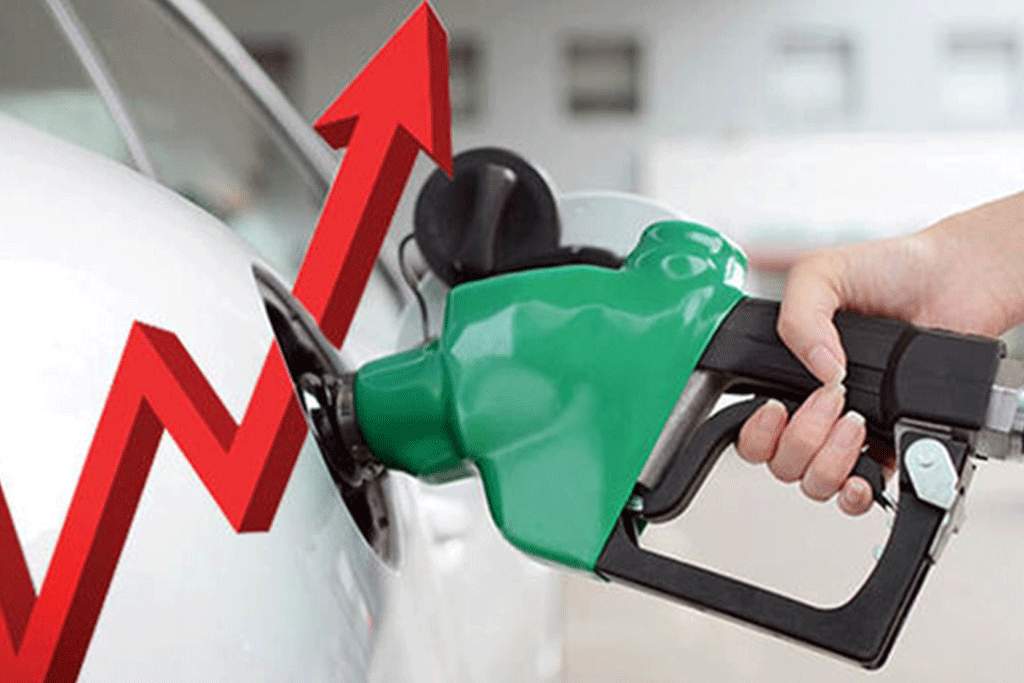
Sri Lanka Raises Fuel Prices Amid Middle East Conflict; Petrol 92 Up 42% Since February
COLOMBO, Sri Lanka — Sri Lanka has raised fuel prices again amid continued global oil-market pressures linked to the ongoing conflict in the Middle East, increasing the cost of petrol and diesel for consumers from midnight on September 30.
The state-run Ceylon Petroleum Corporation (CPC) increased the price of Octane 92 petrol by Rs. 15 to Rs. 414 per litre, while Auto Diesel rose by Rs. 10 to Rs. 392 and Super Diesel increased by Rs. 50 to Rs. 528. Petrol 95 remains at Rs. 475 and kerosene at Rs. 285.
The latest increase means Octane 92 petrol has risen from Rs. 292 per litre in February to Rs. 414, an increase of Rs. 122, or about 41.8%, in eight months. Official CPC historical data confirms the February price of Rs. 292.
New fuel prices
| Fuel | Previous price | New price | Increase |
| Octane 92 Petrol | Rs. 399 | Rs. 414 | +Rs. 15 |
| Auto Diesel | Rs. 382 | Rs. 392 | +Rs. 10 |
| Super Diesel | Rs. 478 | Rs. 528 | +Rs. 50 |
| Octane 95 Petrol | Rs. 475 | Rs. 475 | No change |
| Kerosene | Rs. 285 | Rs. 285 | No change |
Lanka IOC has also raised its prices to match the CPC revision. Reports also indicate that Sinopec is following the revised pricing structure.
The price increases come despite a new government relief programme aimed at shielding consumers and the economy from the impact of high international fuel prices caused by the Middle East conflict.
Sri Lanka’s Cabinet has approved up to Rs. 40.65 billion in fuel relief over three months, with Rs. 15 billion allocated for October, Rs. 13.5 billion for November and Rs. 12.15 billion for December. The subsidy covers Auto Diesel and Industrial Diesel, while petrol is excluded from the new programme.
Sri Lanka has faced significant fuel-price volatility since the escalation of the Middle East conflict. Earlier in 2026, the government introduced temporary fuel subsidies to cushion consumers from higher international prices.
The latest increase is likely to add pressure to motorists, transport operators and businesses that depend heavily on fuel, while the government’s diesel subsidy is intended to limit the impact on transport and the wider economy.