
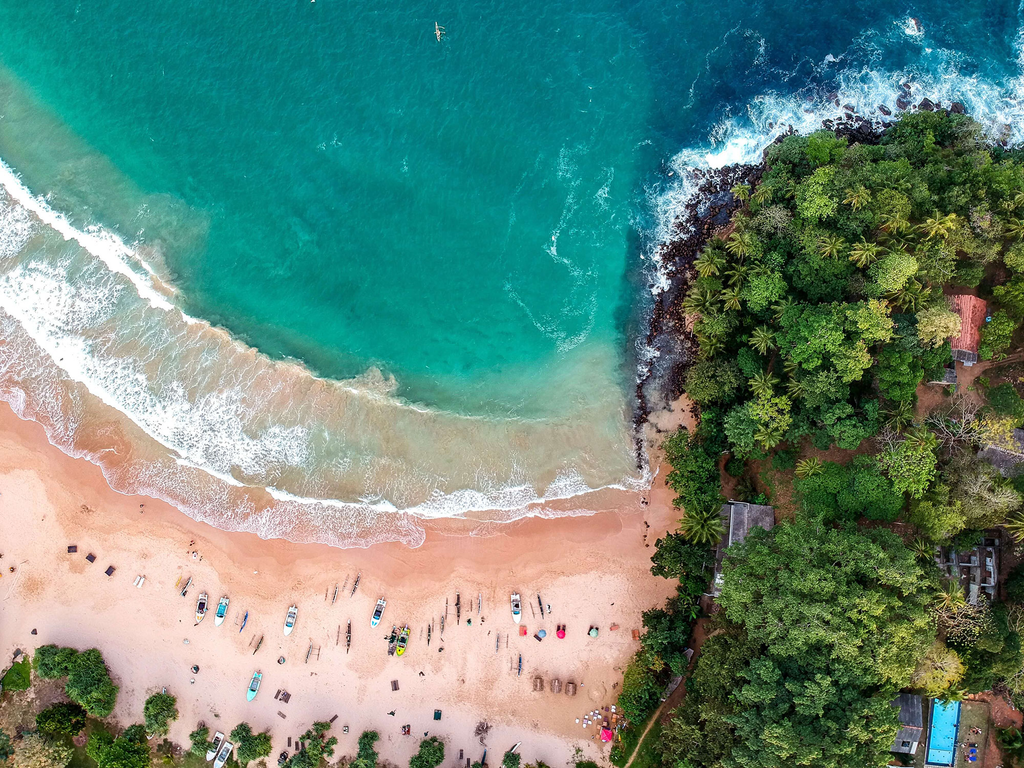
Bathing water quality a hurdle for Sri Lanka’s Blue Flag beach bid, MEPA says
Elevated levels of faecal coliform bacteria in some bathing waters are among the hurdles Sri Lanka faces in securing international Blue Flag beach certification, an official from the Marine Environment Protection Authority (MEPA) told LankaXpress. The official said monitoring had recorded levels above the bathing-water benchmark in several areas and that Colombo Port City beach also plans to apply for certification.
MEPA’s national project aims to pursue Blue Flag certification for 33 beaches in five phases. Its published first-phase list comprises Pasikudah, Arugam Bay, Unawatuna, Bentota and Mirissa. Colombo Port City beach is outside that published list, and its plan to apply adds another site to watch.
Why bathing water quality matters
Faecal coliforms are bacteria used as indicators of contamination from human or animal waste. Sri Lanka’s coastal zone management plan reported levels above its bathing-water benchmark at several sampled sites, including Bentota and Unawatuna. These were findings from the samples analysed for the plan. Water quality can vary by site and over time, including after rainfall.
MEPA’s routine beach monitoring includes testing for faecal coliforms. The Blue Flag programme specifies its own microbiological tests for E. coli and intestinal enterococci, as well as rules for when samples are collected, how they are analysed and how results are made public. A beach’s application therefore depends on site-specific results gathered under the programme’s testing rules.
What is a Blue Flag beach?
A Blue Flag beach has earned an international award from the Foundation for Environmental Education (FEE). The beach checklist contains 33 criteria covering environmental education and information, bathing water quality, environmental management, and safety and services. They address practical measures such as publishing water-test results, maintaining toilets, providing waste and recycling facilities, and making first aid and rescue arrangements available. Awarded beaches must maintain the applicable standards throughout the award period.
How Blue Flag beaches could support Sri Lanka’s green transition
Sri Lanka’s Blue Flag beach project could support the country’s green transition by making coastal tourism less polluting and beach visits safer. Regular water testing can help authorities identify contamination, while better sewage management, waste collection and recycling can reduce pollution at the source. Protecting habitats such as coral reefs and seagrass beds can also help preserve the coastal environments that draw visitors and support local tourism businesses.
Which beaches are in Sri Lanka’s first phase?
| Beach | Development support reported by MEPA |
|---|---|
| Pasikudah | Direct funding from the Ministry of Tourism and Land |
| Arugam Bay | Direct funding from the Ministry of Tourism and Land |
| Unawatuna | Private-sector involvement |
| Bentota | Private-sector involvement |
| Mirissa | Private-sector involvement |
MEPA says each of these five beaches has a management committee bringing together government and non-government stakeholders. An Auditor General report identified insufficient funding as a reason an earlier Blue Flag effort had stalled. MEPA subsequently reported that the five first-phase sites had met some of the criteria, with support from the ministry and private-sector participants.
Sri Lankan delegation studies Kerala’s Blue Flag beaches
Representatives from MEPA and Colombo Port City visited Kerala, India, to learn how local authorities manage beaches that have earned the award. The delegation met district officials responsible for Kappad Beach in Kozhikode and Chal Beach in Kannur. Kerala Tourism has reported that both beaches received Blue Flag certification.
The delegation also met representatives of the Centre for Environment Education and the Foundation for Environmental Education to discuss certification standards, beach management and how agencies share responsibilities. MEPA was represented by Operations Manager Nilantha Piyadasa and Marine Environment Officer Sampath Wijethunga.
Does Sri Lanka have a certified Blue Flag beach?
As of November 28, 2026, no beach in Sri Lanka had received Blue Flag certification, a Marine Environment Protection Authority (MEPA) official told LankaXpress. MEPA is targeting 2027 for Pasikudah and Bentota to become the country’s first Blue Flag beaches.
The official said Colombo Port City beach also plans to apply. The beach must meet the programme’s 33 criteria before submitting an application, the official said.
What could the programme mean for drowning prevention?
Blue Flag requirements cover clear safety information, first aid, and lifeguards or rescue equipment where required. These measures can help visitors recognise hazards and improve the response when someone gets into trouble in the water.
Sri Lanka Life Saving (SLLS) says drowning remained the country’s second-leading cause of accidental death, with about 800 people dying annually based on historical data.
How Blue Flag certification could boost Sri Lanka’s beach tourism
Sri Lanka’s beaches are already an international draw for surfers, families and wildlife enthusiasts. Arugam Bay was voted Asia’s best beach in the 2026 Condé Nast Traveller Readers’ Choice Awards, while Mirissa and Bentota featured among Asia’s top beaches in Tripadvisor’s 2026 Travelers’ Choice Awards. Lonely Planet also highlighted Unawatuna in its guide to Sri Lanka’s best beaches. All four are part of the first phase of the country’s Blue Flag project.
Earning the Blue Flag could give these destinations more international exposure and help travellers make informed choices about where to swim and spend time. Published bathing-water test results, clear safety signs, well-maintained toilets and accessible facilities would give visitors practical information before and during their trip. Beaches that earn the award must maintain the applicable standards throughout the award period.
Certification could also give tour operators a way to promote Sri Lanka as a destination for sustainable coastal holidays. If greater visibility encourages visitors to stay longer or explore nearby towns, local guesthouses, restaurants, surf schools and guides could benefit. The project’s environmental standards also matter as visitor numbers grow. Better waste collection and sewage management can reduce pollution, while protecting sensitive coastal habitats helps preserve the places visitors come to experience.
