
Tough Times Ahead for Sri Lankans as Central Bank Warns Inflation May Remain High Until Late 2027
COLOMBO, November 20, 2026 (LankaXpress) – Sri Lankan households and businesses could face more difficult months ahead as the Central Bank warns that inflation may remain high for longer than previously expected, adding pressure to the cost of living.
According to the latest Monetary Policy Review released by the Central Bank of Sri Lanka (CBSL), inflation reached 8.3% in October 2026, mainly due to rising food and energy prices.
The Central Bank now expects inflation to remain elevated in the coming months before returning to its 5% target in the second half of 2027.
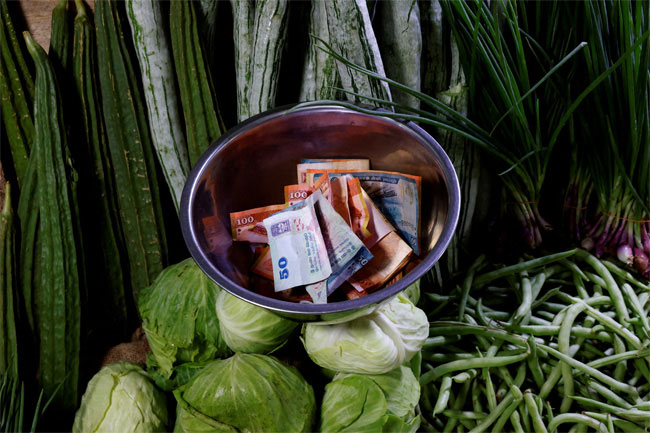
This means Sri Lankan families could continue facing pressure from rising prices of food, transport and other essential goods and services.
Higher Interest Rates Add to Financial Pressure
To control inflation, the Central Bank increased its Overnight Policy Rate (OPR) by 25 basis points to 9%, a move that could make borrowing more expensive for individuals and businesses.
Higher borrowing costs could affect people planning to obtain housing loans, vehicle loans or business loans, although the impact on individual bank lending rates may vary.
Small businesses could also face difficulties expanding their operations or making new investments.
Concerns Over Long-Term Business Loans
Meanwhile, recent discussions at Parliament’s Committee on Public Finance revealed that the share of long-term loans in private sector credit had declined from 35% to 29%, while short-term loans increased from 42% to 47%.
This has raised concerns about whether enough bank lending is being directed towards business expansion, new factories, production and job creation.
Despite these concerns, private sector credit reached Rs. 2.1 trillion during the first nine months of 2026, compared with Rs. 1.9 trillion during the same period last year.
What Does This Mean for Ordinary Sri Lankans?
The combination of higher inflation and borrowing costs could create additional financial pressure on families already managing household expenses.
Higher prices reduce the purchasing power of salaries, while expensive loans can make it harder for people to buy homes, start businesses or expand existing businesses.
Although Sri Lanka’s foreign reserves increased to approximately US$7.1 billion by the end of October 2026, the country continues to face challenges in balancing economic stability with the everyday financial needs of its people.
The coming months could therefore be challenging for Sri Lankan households and businesses, with the Central Bank expecting inflation to return to its 5% target only in the second half of 2027.
Sources: Central Bank of Sri Lanka – Monetary Policy Review, November 20, 2026; Parliamentary Committee on Public Finance (COPF).